
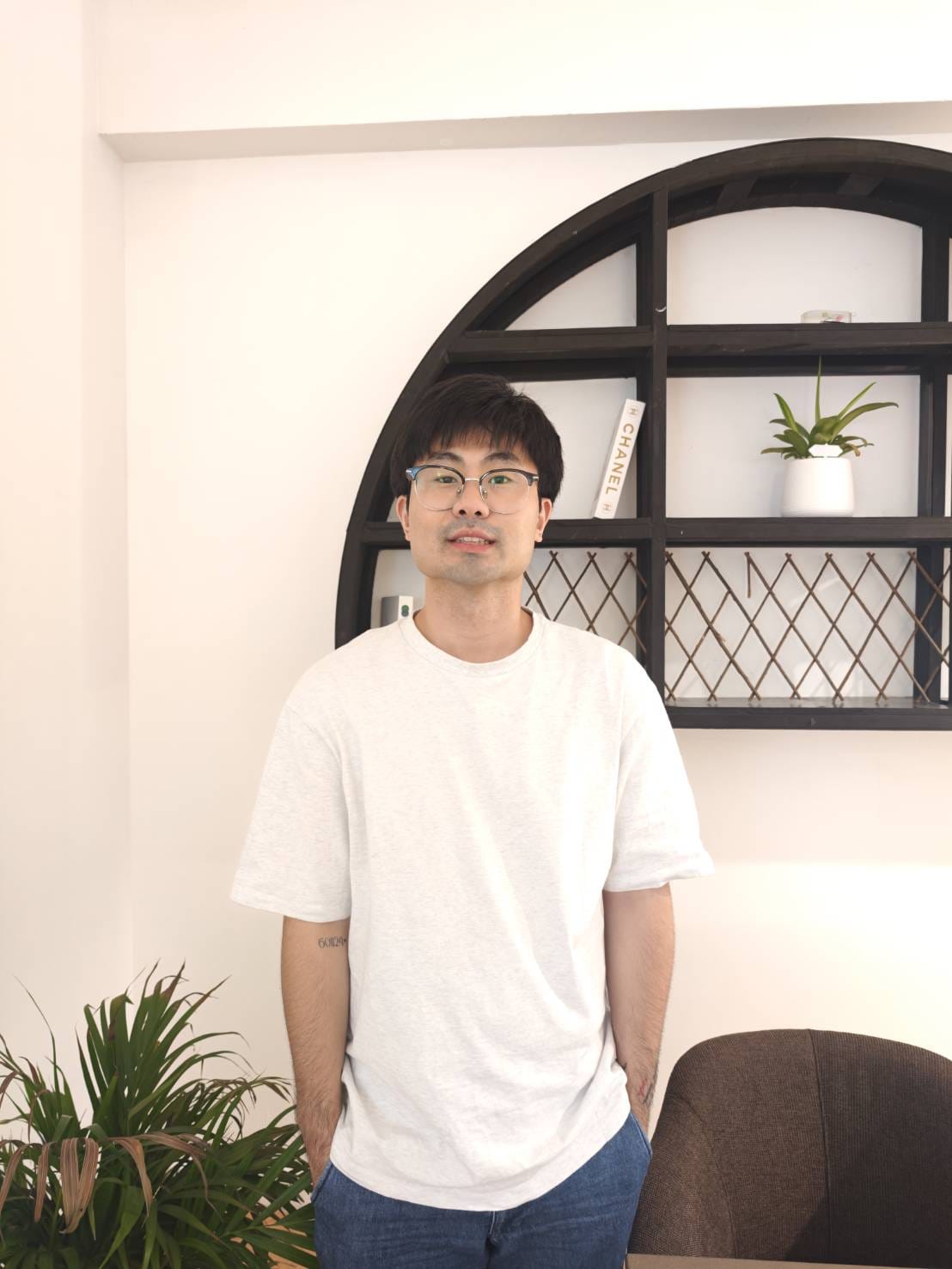
Hi, I'm Younmin.
A former pro chef who got tired of sponsored content and influencer fluff. So I started writing the honest Thai food guide I wished existed.
How I ended up here, eating my way through Thailand.
I spent more than fifteen years in professional kitchens. I started as a kid washing dishes and eventually ended up running pass at restaurants where every plate had to leave the kitchen looking like it owed someone money. Those years taught me how to taste — what's fixable, what's faked, when a dish is technically perfect but soul-empty, and when a humble bowl of noodles is doing more real work than a tasting menu.
I came to Thailand for what I thought would be a two-week vacation. That was a long time ago. I never properly left. The first time I had real, hand-pounded som tum at a roadside stall in Khon Kaen — wood mortar, the woman bruising the chillies with a rhythm she'd had for forty years — something shifted in me. This was the kind of cooking I'd spent my whole career chasing. Honest, technical, deeply rooted, completely uninterested in impressing anyone.
I started writing about food because I got frustrated. Every "review" I read seemed to come with a hashtag, a discount code, or a comped meal. The same restaurants kept getting praised. The same talking points got recycled. Meanwhile the auntie running a one-table operation in a side soi — making the best curry I'd had all year — was completely invisible.
So I made a decision. I would pay for everything. I would write what I actually thought. And I would never, under any circumstances, accept a free meal, a sponsored post, or a press dinner. That was the deal I made with myself, and it's the deal I'm making with you.
How I review, in three rules.
Complete independence.
I pay for every meal, every time. No comped tabs, no PR dinners, no sponsorships, no affiliate kickbacks. The only person I owe anything to is the person reading this.
Focus on the craft.
I look at seasoning, balance, technique, and ingredient sourcing. Not the lighting, the playlist, or how the napkins are folded. A chef's eye, a chef's standards.
Written for real food lovers.
No fluff, no filler, no five-paragraph intros about my childhood. If a place is great I'll tell you why. If it's not, I'll tell you that too — and what to order instead.
Because Thai food deserves to be written about honestly.
Thailand has one of the most technically demanding cuisines on the planet. The balance of sweet, sour, salty, and spicy — the way a good curry paste is built — is harder to nail than half the dishes I made in fine dining.
It also has, in my opinion, the most underrated everyday food culture in the world. A ฿60 bowl of boat noodles can be more memorable than a ฿15,000 tasting menu. A grandmother's grilled chicken can quietly humble a Michelin star.
I want this site to be a place where that gets respected. Where the auntie with the wood mortar gets the same serious attention as the white-tablecloth restaurant. Where the question is always the same: is the food good — and is it worth your money?
Frequently asked.
The things people send me about most. If your question isn't here, send me a message — I read every one.
Send me where the locals actually eat.
If a place changed your week — a soup that ruined every other soup, an auntie running a one-table operation — I want to know about it.
Got something to say?
Feedback, corrections, recommendations, or a long thoughtful argument about why I'm wrong about Jay Fai — all welcome.
"Good food doesn't need a publicist. It just needs someone willing to tell you the truth about it." — Younmin